How Monet’s Impressionism Influences My Photography
Impressionism is quite special because it revolutionised the art world of the nineteenth century. Painters who adopted this style challenged the idea that art should be a picture-perfect, accurate depiction of reality. Instead, Impressionism invites us to look at the ordinary with “rose-coloured glasses”, to tap into images of vistas and people as we might picture them in our dreams or as we perceive them when we are amongst them.
Monet used a play on light, composition and colour to evoke the feeling of being in natural environments. Soft brushstrokes make it seem more like a dreamlike depiction of reality.
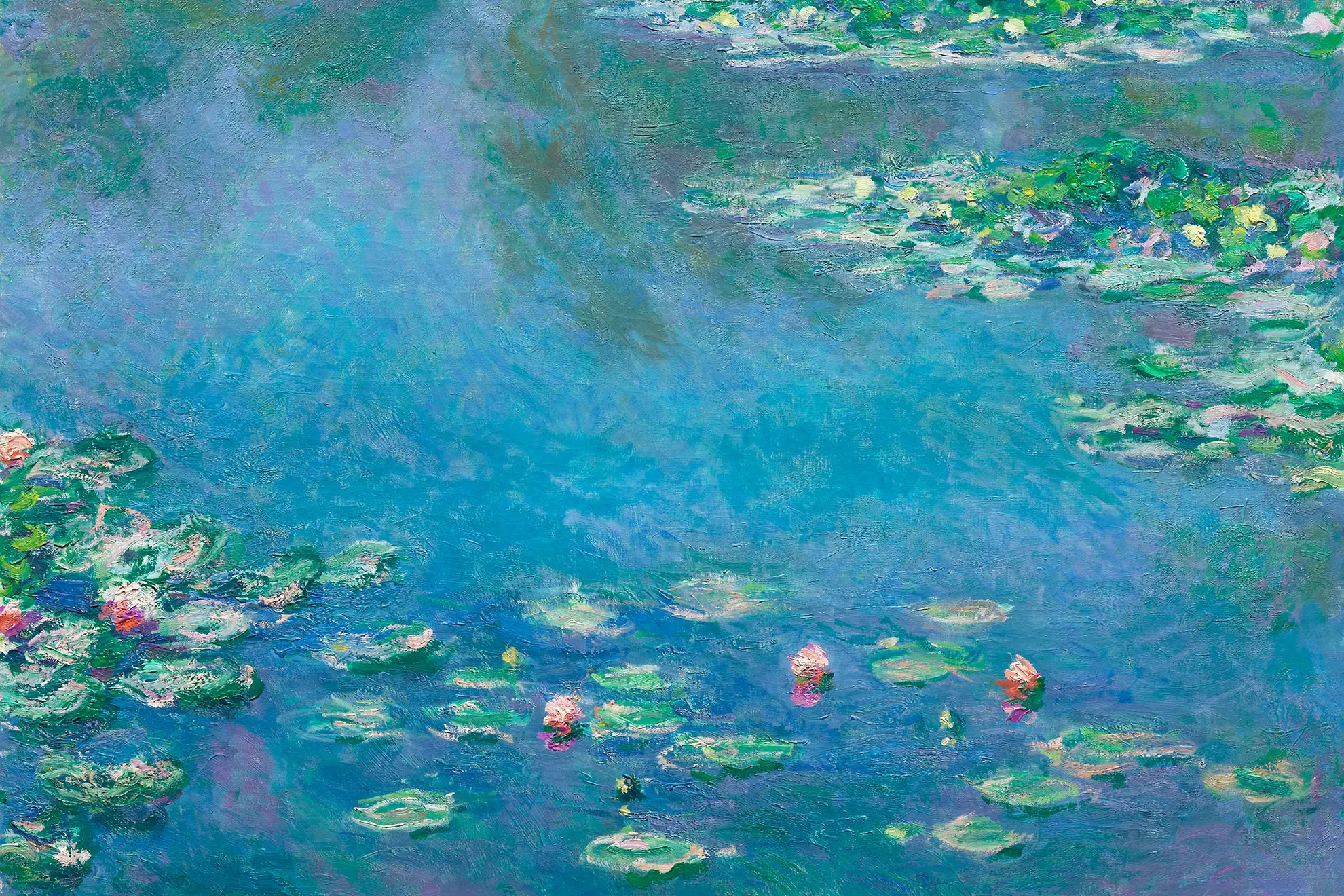
What I like about Monet’s body of work is that he would capture the same location - like his famous water lilies - from multiple angles and at different times of the day to document how light could totally transform an ordinary view into something spectacular.
The composition doesn’t have a traditional horizon line, immersing the viewer completely in reflections, colour and texture, encouraging us to experience the feeling of standing beside the pond rather than simply observing it from far away.
Monet inspires my creative process by chasing light and conveying emotion through bright colours and grain, and always aiming to use the space and the mood of the moment to tell a story with just a frame. Yes, technical perfection is amazing, but sometimes capturing the moment as it is with a touch of magic is exactly what we need.
I find it so special when artists show us what it is like to experience the world through their eyes.
Photos can be sharp and document reality; I am interested in capturing the moment - the feeling. The warmth of the golden hour or the softness of a summer breeze, two people more in love than ever, ready to tie the knot.
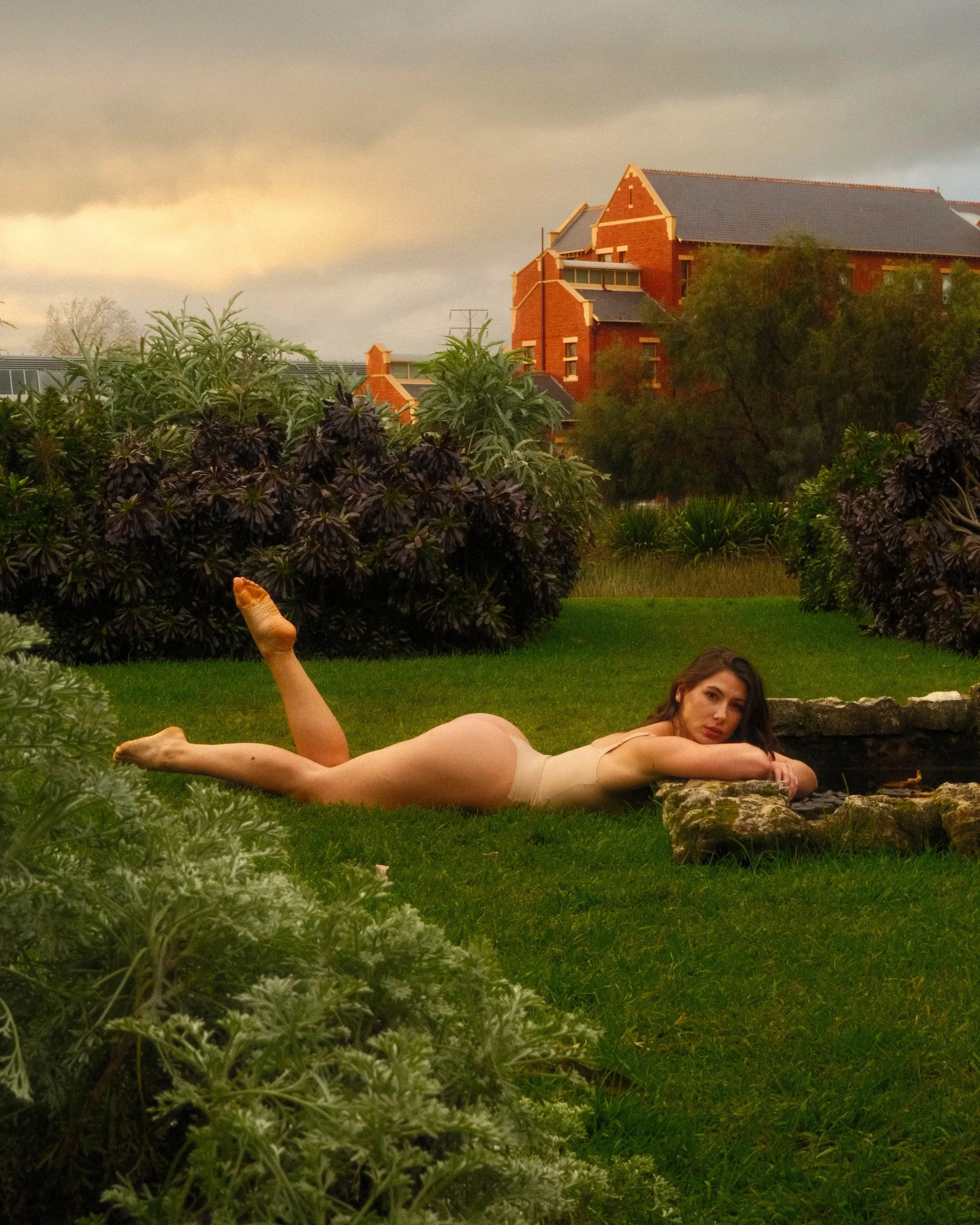
Monet himself expressed this philosophy best:
"In order to succeed in conveying what I feel, I totally forget the most elementary rules of painting, if they exist that is.”
In many ways, I think photography and Impressionism share the same purpose. Both seek to preserve something that disappears almost as quickly as it arrives - a fleeting moment, changing light, shifting seasons, and the emotions tied to a special moment (I happen to be there with my camera, probably contorting to get the best angle)
Every time I take pictures of someone, I'm reminded that I'm not simply documenting a scene. Like Monet, I'm trying to translate the feeling of the moment into an image that you will hopefully cherish forever.